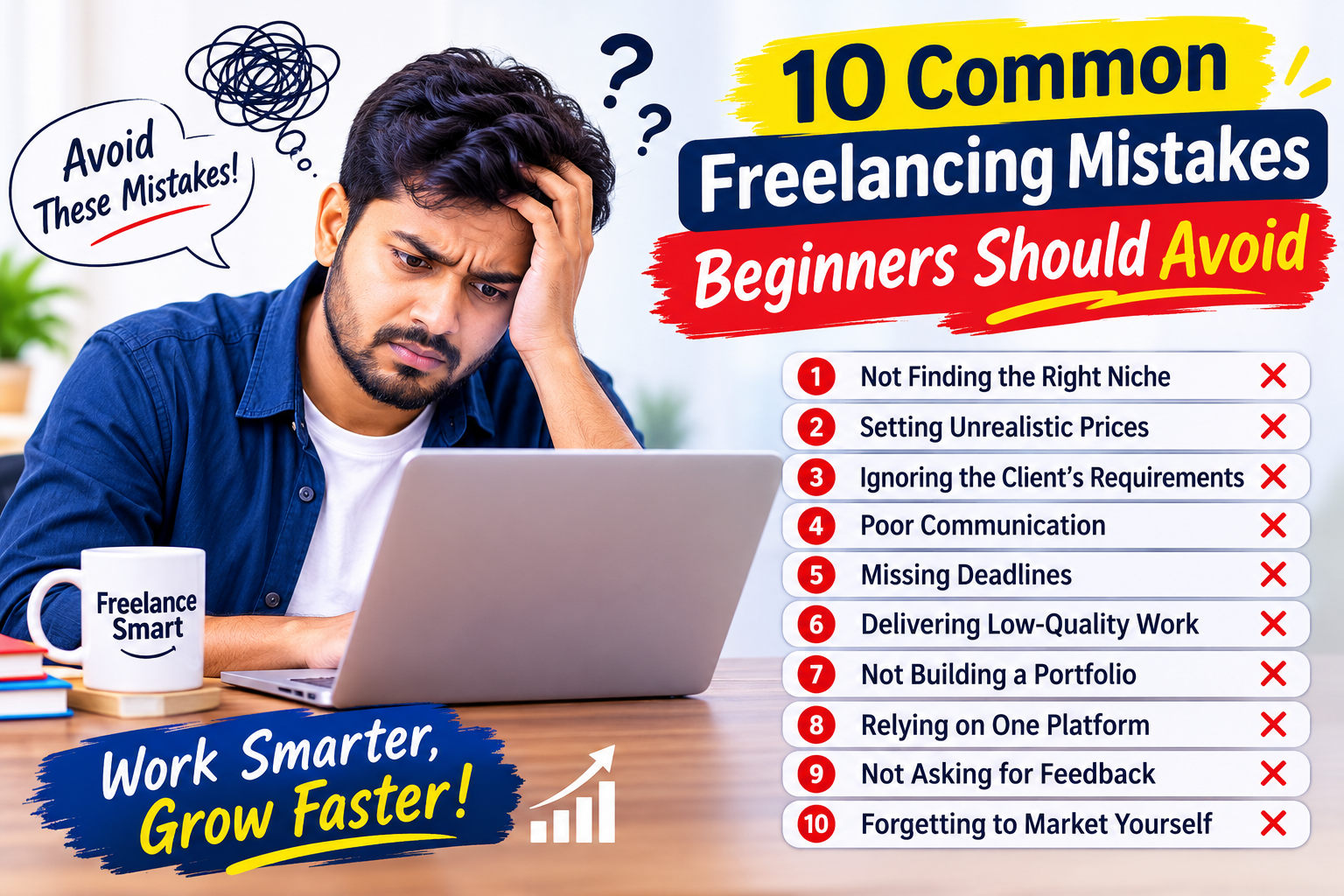
10 Common Freelancing Mistakes Beginners Should Avoid
Freelancing has become one of the most popular career choices for people who want to work independently, earn money online, and build a career using their skills. In Bangladesh, thousands of young people are exploring freelancing as an alternative to traditional jobs. With access to global marketplaces like Fiverr and Upwork, earning from international clients is no longer just a dream.
However, starting a freelancing career is not always as easy as it looks. Many beginners enter the industry with high expectations but struggle to find clients, complete projects, or earn a consistent income. Some become frustrated after a few unsuccessful attempts, while others quit before they have a real chance to succeed.
In most cases, the problem is not a lack of opportunity. It is often a result of avoidable mistakes.
If you are planning to start freelancing or have recently joined an online marketplace, understanding these mistakes can save you time, money, and frustration. Let's explore the 10 most common freelancing mistakes beginners should avoid and how you can build a stronger foundation for long-term success.
1. Starting Freelancing Without Learning a Marketable Skill
One of the biggest mistakes beginners make is jumping into freelancing without developing a professional skill.
Many people hear success stories about freelancers earning hundreds or thousands of dollars every month. They immediately create accounts on freelancing platforms, hoping to get similar results. Unfortunately, they soon discover that clients are not interested in hiring someone who cannot deliver quality work.
Freelancing is not simply about opening an account and waiting for orders. It is about solving problems for clients through your skills.
Some popular skills that have demand in the freelancing market include:
- AI Automation
AI Video Ads
AI Voice Agent
Vibe Coding
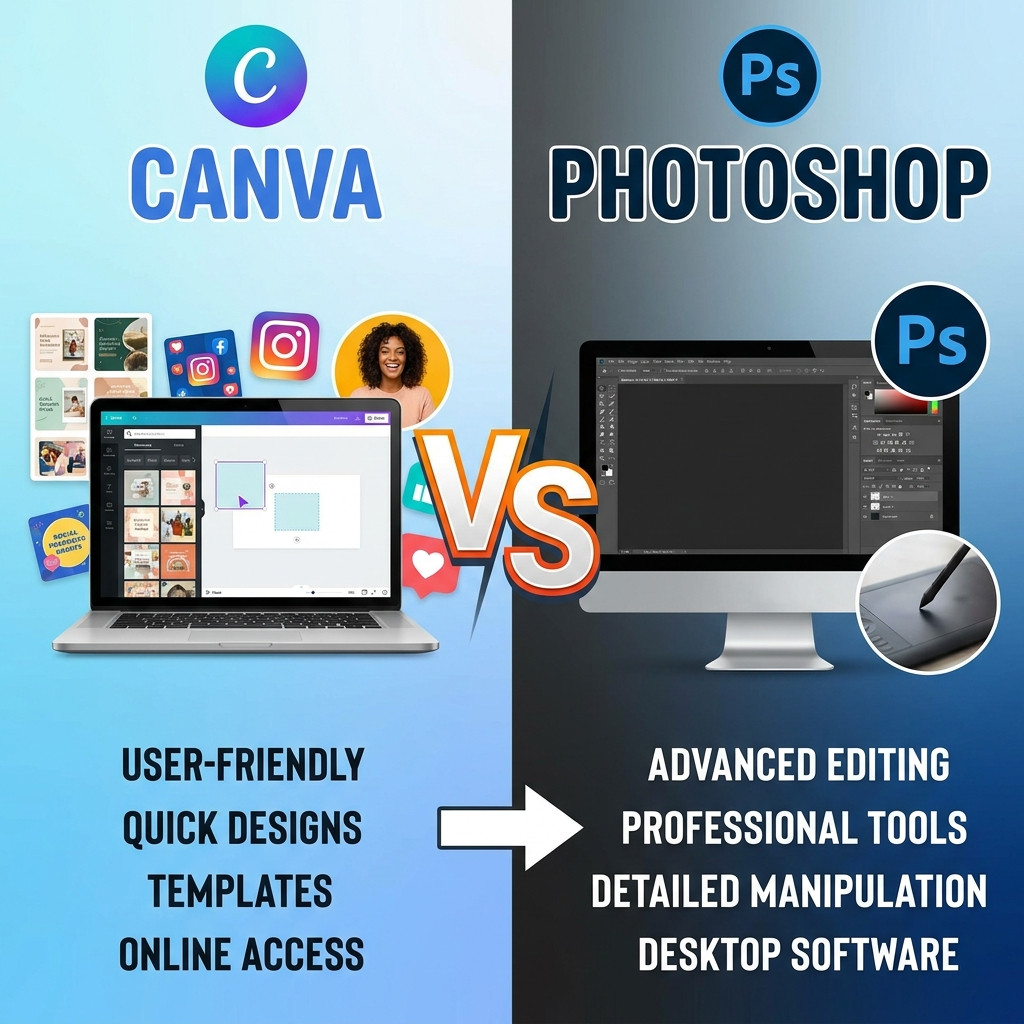
Graphic Design - Digital Marketing
- Web Development
- Video Editing
- Search Engine Optimization (SEO)
- Content Writing
- UI/UX Design
- Data Analysis
- Virtual Assistance
You do not need to learn everything at once. Choose one skill based on your interests and market demand. Spend enough time learning the fundamentals, practicing regularly, and understanding how that skill is used in real projects.
How to avoid this mistake: Choose one marketable skill and focus on becoming good at it before searching for clients. Remember, a strong skill is the foundation of a successful freelancing career.
2. Expecting to Earn Money Overnight
Another common mistake is expecting immediate income.
Social media often shows freelancers celebrating their first $100, $500, or even $1,000 earnings. While these achievements are real for some people, they rarely show the time, effort, and unsuccessful attempts behind those results.
A beginner may spend weeks learning a skill, building a portfolio, and applying for projects before receiving the first order. This is a normal part of the journey.
Freelancing is a business, and like any other business, it takes time to establish trust and attract customers.
If you expect to earn a large amount of money within your first few days, you may become disappointed and lose motivation.
How to avoid this mistake: Set realistic goals. During your first month, focus on learning and building your portfolio. Later, work on finding your first client and improving your service quality. Treat your initial stage as an investment in your future career rather than expecting instant financial results.
3. Trying to Learn Too Many Skills at Once
Many beginners make the mistake of learning several skills simultaneously.
For example, someone starts learning graphic design today, moves to digital marketing next week, begins video editing a few days later, and eventually becomes interested in web development.
Although learning new things is valuable, constantly switching between skills makes it difficult to develop professional expertise.
Clients usually prefer freelancers who specialize in a particular service. A business owner looking for a professional logo designer will naturally trust someone with strong graphic design experience over someone who has only basic knowledge of ten different skills.
Specialization also helps you build a better portfolio and communicate your value more clearly.
How to avoid this mistake: Start with one skill and give yourself enough time to master it. Once you become comfortable with the basics and gain practical experience, you can explore related skills.
For example, a graphic designer can later learn branding, social media design, or UI design. These related skills can increase their service opportunities.
4. Not Building a Professional Portfolio
Imagine that you are a business owner looking for a video editor. Two freelancers contact you.
The first freelancer says, "I am an expert video editor with excellent skills."
The second freelancer shares five examples of professionally edited videos.
Who would you trust more?
Most clients prefer seeing actual work before making a hiring decision. This is why a portfolio is extremely important for freelancers.
A portfolio demonstrates your abilities, creativity, working style, and understanding of different projects. Without one, even a skilled beginner may struggle to convince potential clients.
You do not necessarily need paid projects to create your first portfolio. You can develop sample projects based on realistic business requirements.
For example:
- Graphic designers can create sample logos, business cards, and social media posts.
- Video editors can edit sample promotional videos or YouTube content.
- Web developers can build demo websites.
- Digital marketers can prepare sample marketing strategies.
- Content writers can publish sample articles and website content.
How to avoid this mistake: Create at least three to five quality sample projects before actively approaching clients. Organize your work on platforms such as Behance, GitHub, or a personal portfolio website, depending on your profession.
Quality matters more than quantity. A few excellent examples can make a stronger impression than dozens of unfinished projects.
5. Creating a Weak Freelancing Profile
Your freelancing profile is often the first thing a potential client sees. Unfortunately, many beginners do not spend enough time making it professional.
A profile with a poor description, irrelevant skills, an unclear profile picture, and spelling mistakes can create a negative impression.
Some beginners simply write statements like "I am a hardworking freelancer" or "I can do any type of work." These statements do not explain what services they provide or why a client should hire them.
A professional profile should clearly communicate three things:
- What service do you offer?
- Which problems can you solve?
- Why should a client choose you?
For example, instead of writing "I am a graphic designer," you could write:
"I help small businesses create professional social media designs, promotional graphics, and brand visuals that communicate their message effectively."
This description is more specific and focuses on the value you offer.
How to avoid this mistake: Write a clear and professional profile description. Highlight your relevant skills, explain your services, and include portfolio samples. Use appropriate keywords naturally so potential clients can understand what you specialize in.
6. Sending Generic Proposals to Every Client
Getting your first client can be challenging, especially on competitive platforms like Fiverr and Upwork. One reason many beginners struggle is that they send the same proposal to every job posting.
A generic proposal usually looks something like this:
"Hello Sir, I am interested in your project. I am an expert freelancer and can complete your work perfectly. Please give me a chance."
The problem is that this message does not demonstrate any understanding of the client's requirements.
Clients receive multiple proposals. They are more likely to notice freelancers who carefully read the project description and explain how they can solve the specific problem.
A good proposal should be personalized, clear, and focused on the client's needs.
For example, if a client needs a website redesign, mention which aspects of the existing website you can improve. You can also share a relevant portfolio sample.
How to avoid this mistake: Read every job description carefully before submitting a proposal. Address the client's actual requirements, explain your approach briefly, and include relevant work samples. Avoid copying and pasting the same message everywhere.
A thoughtful proposal is more valuable than sending dozens of generic applications.
7. Charging Too Much or Too Little for Your Services
Pricing is another area where beginners often make mistakes.
Some new freelancers charge extremely high prices without having the experience or portfolio to justify them. Others offer their services at very low rates because they believe cheap pricing will help them attract clients.
Both approaches can create problems.
If your prices are too high compared with your experience and service quality, potential clients may choose someone else. On the other hand, charging extremely low prices can attract difficult projects, reduce your motivation, and make it harder to grow your business.
Your pricing should reflect the value you provide, the complexity of the project, the time required, and the market conditions.
How to avoid this mistake: Research what other freelancers with similar experience charge for comparable services. Start with competitive and reasonable pricing. As you gain experience, receive positive feedback, and build a strong portfolio, gradually increase your rates.
Never compete only on price. Focus on delivering quality work and building long-term client relationships.
8. Poor Communication with Clients
Technical skills are important, but communication skills are equally valuable in freelancing.
A freelancer may be excellent at graphic design or web development but still lose clients because of poor communication.
Some common communication mistakes include:
- Taking too long to respond to messages.
- Not understanding project requirements properly.
- Failing to provide progress updates.
- Using unclear or unprofessional language.
- Ignoring client feedback.
- Making promises that cannot be fulfilled.
Remember, clients are paying for a service, and they want to know that their projects are in reliable hands.
Good communication helps prevent misunderstandings and builds trust.
For example, if you realize that a project needs more time than expected, inform the client as early as possible instead of waiting until the deadline.
How to avoid this mistake: Respond professionally, ask questions whenever requirements are unclear, and provide regular updates. Be polite even when clients request revisions. If you cannot complete something, communicate honestly rather than making unrealistic promises.
Strong communication can help you turn a one-time customer into a long-term client.
9. Missing Deadlines and Ignoring Work Quality
Meeting deadlines is one of the most important responsibilities of a freelancer.
Clients often have their own business schedules, marketing campaigns, and project timelines. If you deliver work late without proper communication, it can affect their plans and damage your professional reputation.
Some beginners accept more projects than they can handle because they want to earn more money. Eventually, they struggle to manage multiple deadlines and deliver poor-quality work.
This is a mistake that can seriously affect your freelancing career.
Remember that completing five projects poorly is not better than completing two projects professionally.
How to avoid this mistake: Before accepting a project, carefully evaluate the workload and deadline. Break larger projects into smaller tasks and maintain a daily work schedule.
Use simple productivity tools such as Google Calendar, Trello, or Notion to organize your responsibilities.
Always review your work before submitting it. Check for errors, follow the client's instructions, and make sure the final delivery meets the agreed requirements.
Consistency in quality and timely delivery will help you build a positive reputation.
10. Giving Up Too Early and Not Improving Skills
Perhaps the most damaging mistake beginners make is giving up too soon.
Many people start freelancing with excitement. They complete a course, create a marketplace profile, and begin applying for projects. After receiving no responses or getting rejected several times, they assume freelancing is not suitable for them.
But rejection is a normal part of professional growth.
Even experienced freelancers sometimes lose projects, receive negative feedback, or struggle to find new clients.
The difference between people who grow and those who quit is often their willingness to learn from mistakes.
The freelancing industry also changes continuously. New tools, technologies, client expectations, and market trends create new opportunities and challenges.
A skill that was highly popular a few years ago may require additional knowledge today.
How to avoid this mistake: Keep learning and improving. Follow industry trends, practice regularly, explore new tools, and learn from experienced professionals.
If your proposals are not getting responses, improve your proposal writing. If clients are not impressed with your work, upgrade your skills and portfolio. If you are struggling with time management, develop a better work routine.
Instead of treating failure as the end of your journey, use it as feedback.
Bonus Tips: How to Build a Successful Freelancing Career
Avoiding common mistakes is a great starting point, but building a sustainable freelancing career requires consistent effort.
Here are a few additional tips that can help beginners move in the right direction:
Choose a specific niche: Rather than offering every possible service, focus on a particular area where you can develop expertise.
Keep learning: Invest time in professional training, online resources, and practical projects to improve your skills.
Build relationships: Treat every client professionally. Positive relationships can lead to repeat projects and referrals.
Manage your finances: Freelance income may not be consistent every month. Develop a habit of saving money and managing your expenses.
Stay updated: Learn about new tools and technologies that can improve your productivity and service quality.
Be patient: Building a reputation takes time. Focus on steady progress rather than comparing your journey with someone else's success.
Conclusion
Freelancing offers exciting opportunities for people who want to develop their skills, work independently, and connect with clients around the world. However, success does not happen simply by creating an account on Fiverr or Upwork.
It requires practical skills, patience, professional communication, consistent effort, and a willingness to improve.
The ten mistakes discussed in this article are common among beginners, but the good news is that they are avoidable. Start by developing one marketable skill, create a strong portfolio, build a professional profile, communicate clearly with clients, and always deliver quality work on time.
Most importantly, do not give up just because you do not get your first client immediately. Every experienced freelancer was once a beginner.
If you want to build a successful freelancing career, focus on learning the right skills and applying them through real-world practice. Take small steps every day, learn from your experiences, and gradually build the confidence needed to compete in the global freelancing market.
Ready to Start Your Freelancing Journey?
At Unique IT Institute, you can explore professional IT and skill-development training designed to help you build practical knowledge for your career. Choose a skill that matches your interests, develop your expertise, and take your first step toward becoming a confident freelancer.